
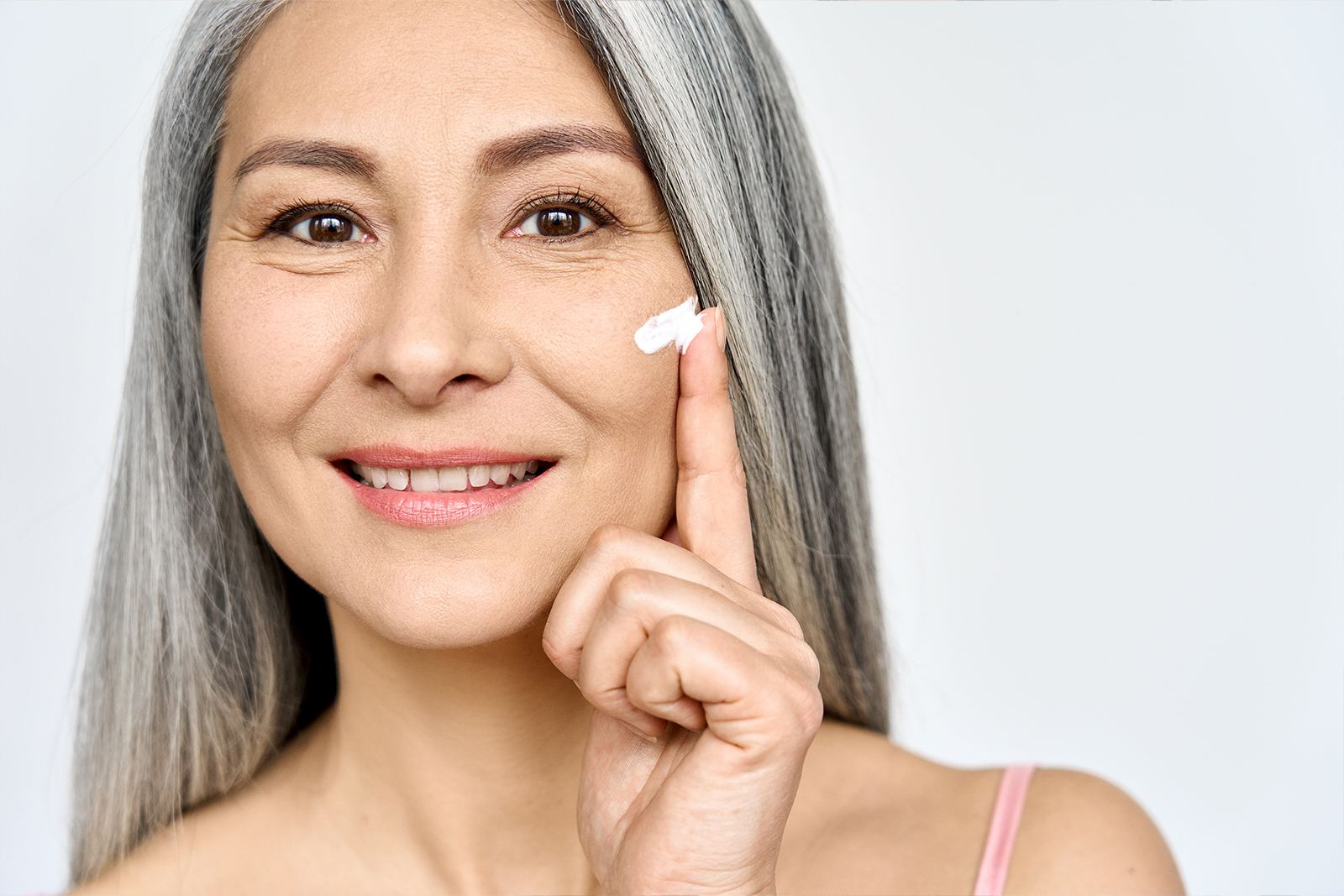
A practical, science-backed edit for mature, resilient skin — not to simplify, but to refine.
By your 50s, your skin is no longer dealing with hormonal volatility — it’s navigating slower cell turnover, reduced collagen synthesis, a more vulnerable moisture barrier, and shifts in the skin microbiome. What worked in your 30s might now be too harsh, too drying, or simply ineffective. This is about a smarter routine — not a longer one.
What the Research Shows
Modern dermatology is clear: mature skin benefits most from a precise, replenishing approach.
- A 2022 study in the Journal of Cosmetic Dermatology confirmed that transepidermal water loss increases with age, particularly post-menopause, due to lipid depletion and reduced ceramide levels.
- Inflammaging — chronic, low-grade inflammation caused by oxidative stress and barrier degradation — accelerates visible aging.
- Estrogen decline can lead to a 30% drop in collagen within five years post-menopause, according to a 2021 meta-analysis in Dermato-Endocrinology.
- The skin’s microbiome also shifts, hosting fewer beneficial bacteria, which weakens resilience and increases reactivity.
Keep
These remain essential, though textures and concentrations may need adjusting.
- Hyaluronic Acid: Opt for multi-weight formulas that hydrate without sitting on the surface.
- Antioxidants: Vitamin C, ferulic acid, resveratrol — layered under SPF, they neutralize free radical damage.
- Broad-Spectrum SPF: Still the most critical anti-aging product.
- Rich Moisturizers: Ceramides, squalane, and shea butter support lipid repair.
- Biochemical Exfoliants: Lactic acid, mandelic acid, or enzyme-based options gently accelerate turnover.
Skip
Once beneficial, now potentially disruptive.
- Physical Scrubs: Exfoliating beads or microcrystals can create microtears in thinning skin.
- Acid Layering: Multiple AHAs/BHAs stacked together may compromise an already vulnerable barrier.
- Fragrance: Even ‘natural’ scents can trigger inflammation in sensitized skin.
- Heavy Occlusives: Petroleum-based balms may trap heat and irritants, especially in reactive skin types.
Add
Ingredients that target repair, density, and calm.
- Barrier Oils: Squalane, rosehip, marula — mimicking natural sebum to replenish lipids.
- Peptides: Signal skin to rebuild collagen and elastin.
- Niacinamide: Supports elasticity, brightens tone, and improves barrier function.
- PDRN (Polydeoxyribonucleotide): A biotech ingredient shown to stimulate tissue repair and dermal regeneration.
According to Dr. Leila Ghahary, a dermatologist specializing in regenerative skincare:
“Think of these ingredients as scaffolding — they support not just the skin’s surface, but its deeper architecture.”
Reevaluate
The often-overlooked essentials.
- Cleanser: If your skin feels tight after washing, it’s being stripped. Choose low-pH, non-foaming formulas.
- Sunscreen: Mineral-based formulas with iron oxides offer protection against both UV and visible light — especially relevant for pigmentation-prone skin post-50.
The Bottom Line
Skincare after 50 isn’t about doing less — it’s about doing better. The best routines for mature skin are the ones that simplify without sacrificing performance, support the skin barrier, and align with your skin’s evolving physiology. Like any good wardrobe edit, the goal isn’t minimalism — it’s precision.