
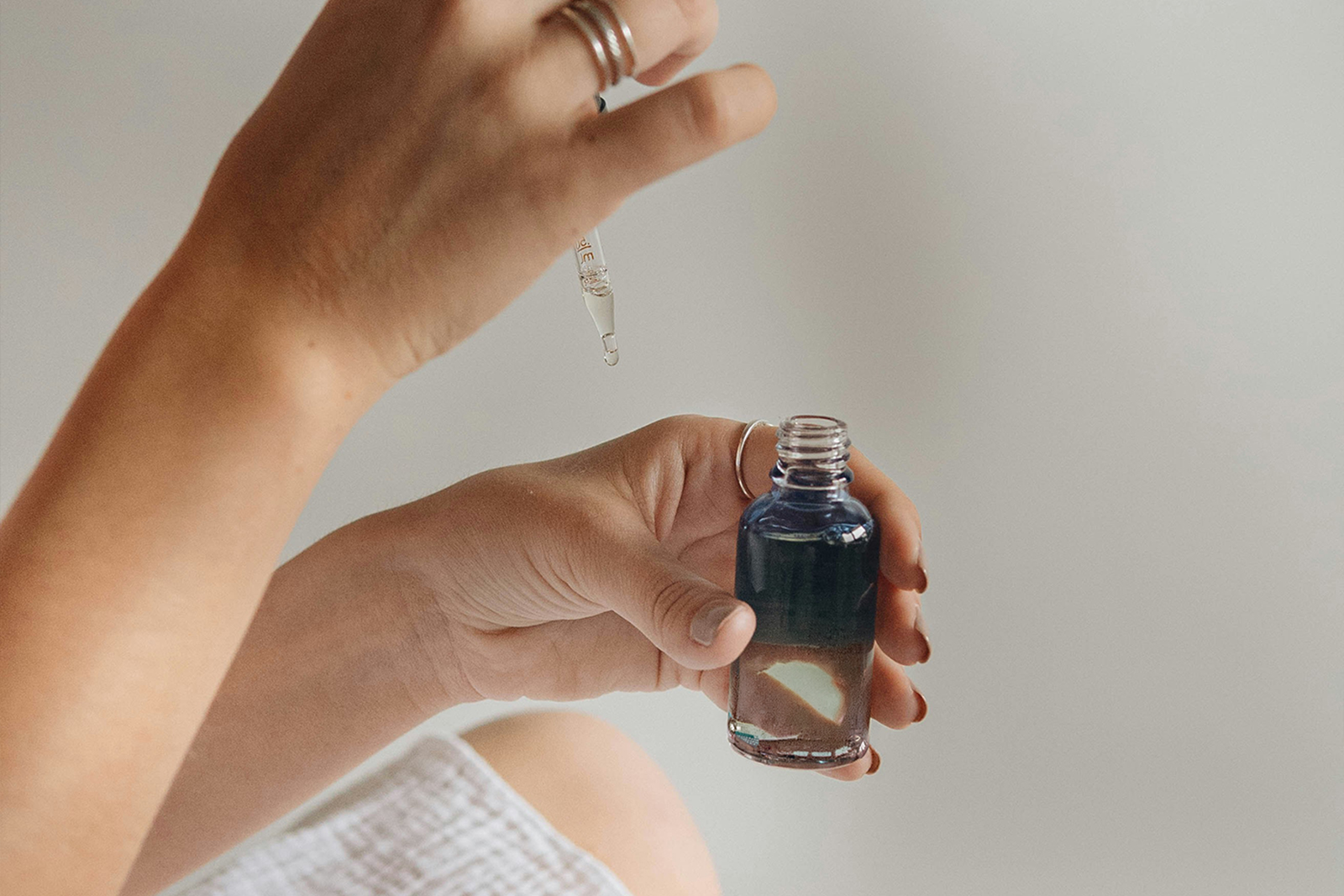
Remember the 12-step routine?
It wasn’t that long ago that maximalism was the measure of how “serious” you were about your skincare. Toners, essences, serums layered like filo pastry, each with its own must-have acid or antioxidant.
But in 2025, that’s looking… dated.
Instead of bragging about how many bottles crowd your bathroom shelf, beauty insiders are asking a sharper question: How well does it deliver?
This year’s hero products aren’t crammed with endless actives. Instead, they focus on getting a select few ingredients deep into your skin—where they can actually work. It’s the age of microdosing, advanced delivery systems, and minimalist formulas that punch above their weight.
So what exactly is changing?
First, let’s talk about delivery.
A serum used to be little more than water or silicone with actives floating around, hoping to penetrate. Now? Brands are engineering sophisticated carriers to ensure actives don’t degrade, irritate, or just sit uselessly on the surface.
We’re talking liposomes, solid lipid nanoparticles, encapsulated ingredients. These structures protect fragile actives (like vitamin C or retinoids) and release them in controlled, targeted doses.
“It’s not just what’s in the formula but how it’s delivered,” says Dr. Lina Duarte, a cosmetic chemist. “These technologies make actives more bioavailable while reducing irritation.”
In other words: a simpler ingredient list can be more potent, because it’s designed to work.
Meet microdosing
Another buzzword you’ll see everywhere? Microdosing.
It sounds like a term stolen from wellness retreats, but in skincare it has a clear meaning: delivering low, optimal concentrations of powerful actives over time to avoid irritation and buildup.
Instead of hammering your face with 20% acids or prescription-strength retinoids until it flakes off, microdosed serums aim for steady, consistent results.
“Skin health thrives on consistency, not shock therapy,” says Dr. Duarte. “Microdosing allows for daily use with cumulative benefits, without overwhelming the barrier.”
For anyone with sensitive or reactive skin, this approach feels downright revolutionary.
Why “skinimalism” is no longer just marketing
You’ve seen the word everywhere, but in 2025 it’s not just about minimalist packaging and branding. It’s about formulation strategy.
A good skinimalist serum might only have five or six star ingredients—but each one is chosen for synergy, stability, and proven clinical benefit. And with delivery systems making sure those actives penetrate, there’s no need for endless layering.
Consumers have also gotten savvier. They want evidence, not hype. They want to know: Which form of vitamin C? What percentage? How is it stabilized? How is it delivered?
“People are reading INCI lists like they read food labels now,” says Dr. Duarte. “Transparency is mandatory.”
The real benefits for you
If you’re still on the fence about scaling back your routine, consider this:
-
Reduced irritation. Fewer products, less chance of ingredient conflict.
-
Better barrier health. No more daily acid overload or actives that don’t play well together.
-
Money saved. One well-formulated serum can replace three so-so ones.
-
Less waste. Fewer empty bottles, more sustainable consumption.
It’s not about doing less for your skin. It’s about doing smarter.
How to shop for 2025’s new serums
If you want to join the revolution, here’s what to look for:
-
Evidence of delivery systems (encapsulation, liposomes, nanoparticles).
-
Clear, precise ingredient percentages.
-
Fewer total ingredients with more purpose.
-
Claims about stability and bioavailability.
-
Transparency around clinical testing or trials.
Avoid “kitchen sink” formulas that promise everything at once but deliver nothing particularly well.
The bottom line
The serum shelf in 2025 looks cleaner, but don’t mistake that for basic. Behind the stripped-down packaging and minimalist ingredient lists lies some of the most sophisticated formulation science skincare has ever seen.
Because you don’t need more products. You need better ones.