
Thinning, dullness, and breakage aren’t just signs of aging — they’re the result of biological shifts happening at the follicular level. After 50, declining estrogen dramatically changes the scalp’s environment, slowing down hair’s growth cycle, weakening its structure, and reducing natural shine. But women today aren’t passively accepting it — they’re rebuilding.
“Menopause doesn’t just affect the scalp — it changes the entire follicular environment,” says Dr. Marisol Clarke, board-certified dermatologist and trichology specialist. “We need to treat the scalp like skin and the hair like fabric. Both need care, repair, and the right actives.”
The New Routine: A Scalp-First Strategy
Just like skin, the scalp responds to bioactives, hydration, and exfoliation. And in 2026, women over 50 are putting the scalp front and center.
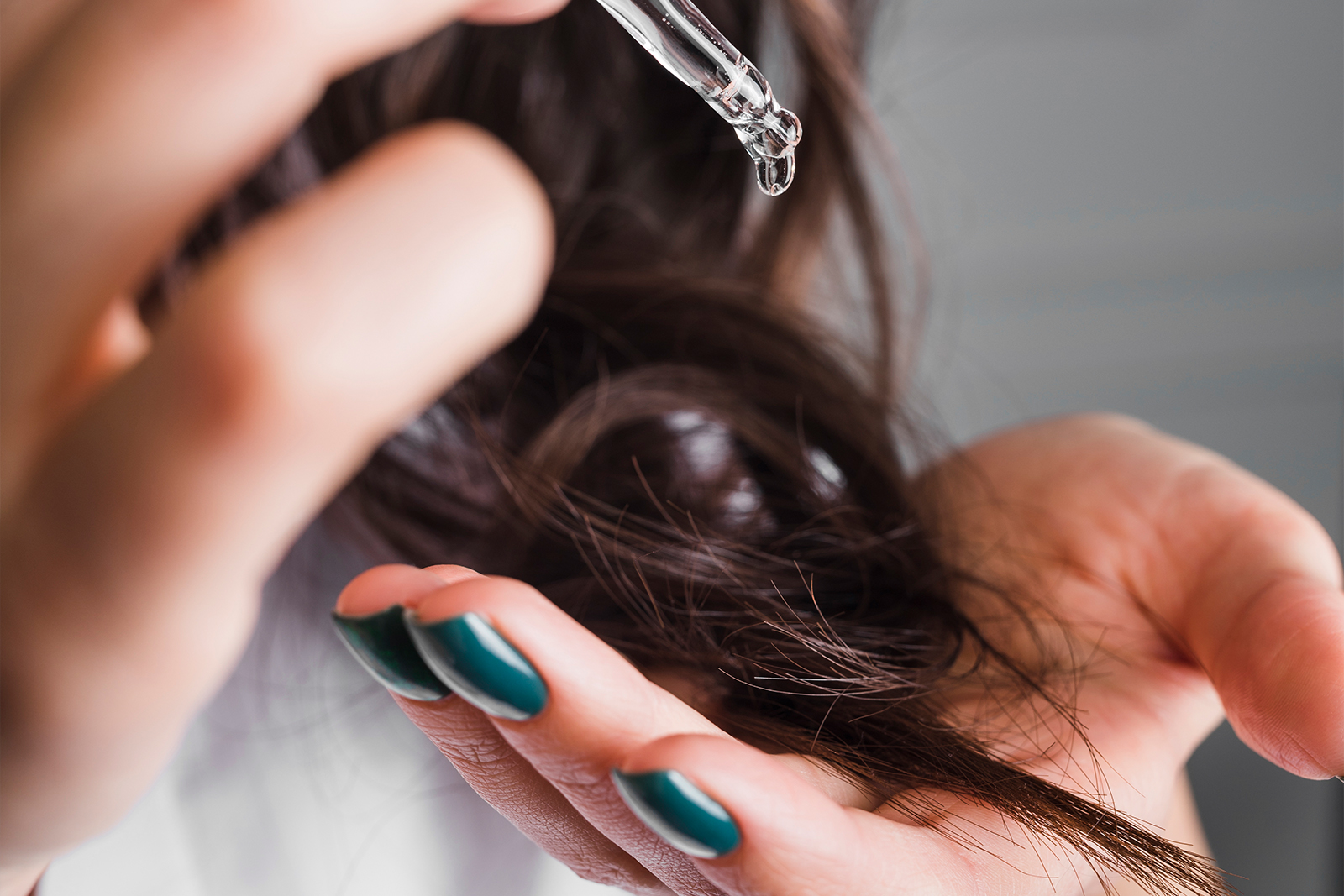
Pre-treatment serums with caffeine, peptides, and lactic acid (like Arey’s Not Today, Grey or Divi’s Scalp Serum) are used before washing to increase circulation and promote follicle responsiveness. These formulas are designed to penetrate without irritation, supporting longer, stronger hair growth over time.
Cleansing with Function, Not Foam
The era of harsh, stripping shampoos is over. Instead, sulfate-free shampoos now include DHT-blockers like pumpkin seed oil, along with biotin, keratin, and saw palmetto — all designed to combat hormonal shedding without compromising on scalp barrier health.
“In postmenopausal patients, I always look at how their shampoo is interacting with sebum regulation and inflammation,” says Clarke. “You want cleansing that supports—not erodes—the scalp’s microbiome.”
Strength Beyond Surface: Bond Repair Evolves
Olaplex may have opened the door to bond repair, but the category has evolved. Bond-multiplying leave-ins and masks now combine amino lipids, glycolic acid, and vegan keratin analogues that help rebuild disulfide bonds while also softening coarse texture.
Clarke notes that women over 50 often assume their hair is just “dry,” when in fact, structural breakage from weakened protein bonds is at play. “Hydration alone won’t fix that. You need a bond builder with both repair and sealing technology.”
Thermal Breakup: Ditching Daily Damage
Heat styling — especially daily flat ironing or curling — rapidly dehydrates aging strands. Many women are now turning to cold-air dryers, microfiber turbans, and air-dry styling creams to preserve hydration and minimize friction.
Brands like HairStory, Crown Affair, and K18 are expanding their offerings with formulations focused on air-drying texture, cuticle sealing, and frizz control — all without silicone overload.
Pro Support: Scalp PRP and Light Therapy
For those seeing significant thinning or receding hairlines, in-office treatments like PRP (Platelet-Rich Plasma) injections and low-level laser therapy (LLLT) are becoming more mainstream — and more effective when paired with at-home routines.
“Consistency and synergy matter,” Clarke says. “Your shampoo, your pre-treatment, your LED cap — they should all speak the same language.”
Final Word
You’re not chasing what your hair used to be — you’re building what it can be now. With targeted actives, tech-forward formulations, and smarter rituals, women over 50 are reshaping the hair aging narrative entirely.