
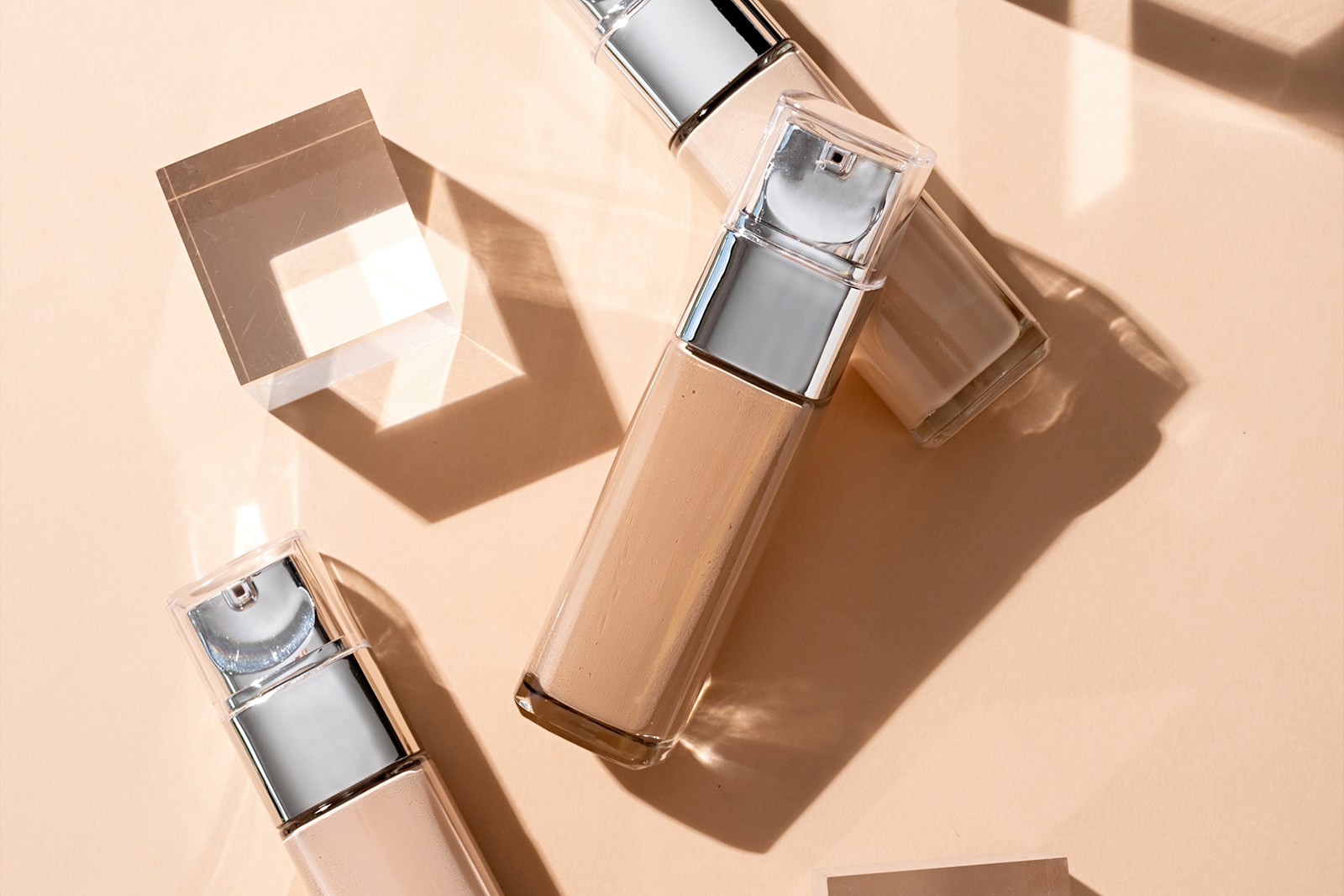
Remember when your foundation was just… foundation?
Thick, pore-clogging, cakey. Maybe it promised “long wear,” but it did nothing for your skin health (and often made it worse).
Those days are over.
If you’ve walked through any beauty counter or scrolled social lately, you’ve seen it: skincare-infused makeup is everywhere. And nowhere is this trend more transformative than in foundation.
Because in 2025, simply covering isn’t enough. Consumers expect their base to soothe, strengthen, brighten, and protect—while looking like real skin.
Why the shift?
It’s not just about marketing (though there’s plenty of that).
Today’s beauty consumer is better educated. We know our skin barrier needs support, not suffocation. We know certain actives—like peptides or niacinamide—can make a real difference with daily use.
And we don’t want to choose between looking good today and helping our skin look good tomorrow.
“Foundations used to be makeup only,” says Dr. Fiona Lau, a dermatologist. “Now they’re essentially tinted skincare. Formulators are expected to deliver proven actives in stable, effective concentrations.”
What’s in these formulas?
Think of your favorite serum’s ingredient list—now imagine it with coverage.
Common additions in 2025’s active foundations:
-
Peptides to support collagen and reduce fine lines over time.
-
Niacinamide to even tone and calm redness.
-
Ceramides and fatty acids to support barrier health.
-
Hyaluronic acid for deep hydration and plumping.
-
Mineral UV filters or modern, transparent chemical filters for real SPF protection.
It’s not about slapping in buzzwords, either. Brands know consumers read ingredient lists. We want actives in meaningful percentages—and we’ll call out marketing fluff when we see it.
The payoff for your skin
Why does this matter?
For starters, active foundations can actually reduce the need for other steps in your routine. Instead of layering serum, moisturizer, sunscreen, and a thick foundation, you get multiple benefits in one streamlined product.
But it’s not just about saving time.
“When makeup includes real skincare ingredients, you’re getting treatment-level benefits during all the hours you’re wearing it,” explains Dr. Lau. “It’s cumulative. Over weeks and months, you can see genuine improvements.”
Users report less redness, smoother texture, and a healthier glow even on no-makeup days.
Who is this for?
Honestly? Almost everyone.
Active foundations are particularly game-changing if you:
-
Have sensitive skin that hates heavy layering.
-
Want to support barrier health while wearing makeup.
-
Struggle with redness, uneven tone, or early fine lines.
-
Just want fewer products in your routine.
They’re also ideal for the “skin-first” approach dominating beauty culture. In 2025, looking flawless isn’t about hiding your face. It’s about showcasing healthy, cared-for skin.
How to choose one
Here’s the catch: not all active foundations are created equal.
Some rely on buzzwords without real efficacy. Others may irritate if you’re sensitive to certain actives.
When shopping, look for:
-
Clear, transparent ingredient lists.
-
Clinically tested actives at effective concentrations.
-
Formulas designed for your skin type (oily, dry, sensitive).
-
Evidence of stability (actives like vitamin C oxidize easily if not properly formulated).
-
Lightweight textures that blend well without caking or settling.
And, as always, patch-test new products—especially those with actives.
The future of makeup?
This isn’t a fad. It’s the logical next step for an industry where skincare literacy is sky-high and consumers are done with compromise.
“People don’t want makeup that damages skin,” says Dr. Lau. “They want it to be part of their treatment plan.”
In 2025, your foundation is no longer working against you. It’s working for you.
So go ahead—wear your actives. And look good doing it.