
If you’ve opened TikTok or your app store lately, you know: AI is coming for your bathroom shelf.
It’s 2025, and there’s a new promise in skincare—let an algorithm analyze your face, your products, even your climate, and spit out your “perfect” regimen.
But do these apps really deliver? Or are they just another hype-fueled shortcut that ignores your real skin needs?
We tried them. Talked to experts. And broke down what you should know before you let a bot plan your beauty routine.
1. They really want your selfies
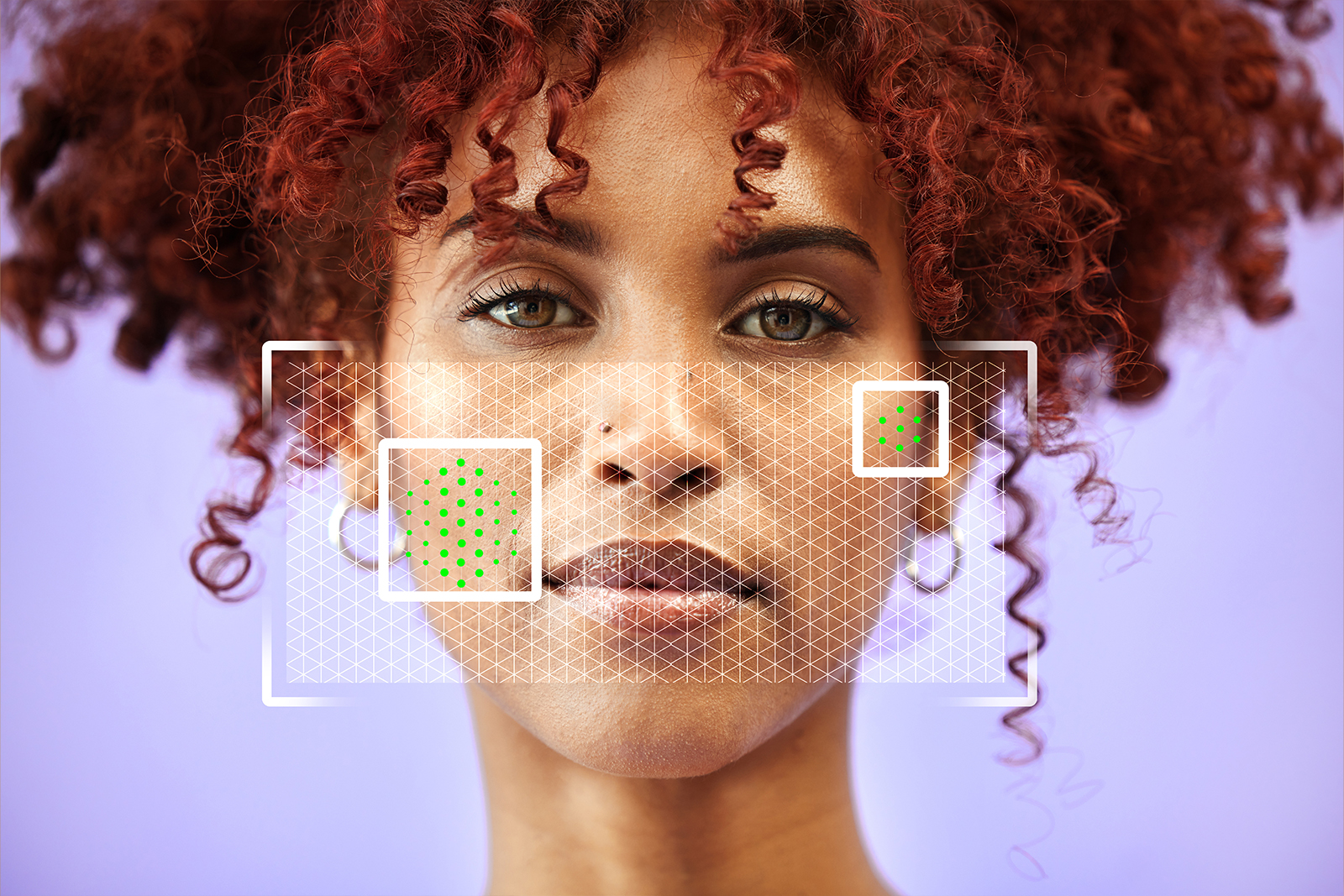
Most AI skincare apps start by having you upload multiple selfies—often in specific lighting or angles. They analyze these for fine lines, pores, pigmentation, even redness.
Sounds high-tech? It is. But it’s not perfect.
“These analyses can be helpful for identifying broad concerns,” says Dr. Jenna Li, dermatologist. “But lighting and camera quality hugely impact results.”
Bottom line? Your phone’s camera is not a dermatoscope. Don’t take every suggestion as gospel.
2. They read your ingredient lists (and spot conflicts)
One genuinely useful feature? Many apps now scan your product lineup and flag problematic combinations—like layering strong acids with retinoids, or using vitamin C forms that destabilize each other.
If you’ve ever fried your barrier with an overzealous routine, this part can feel like magic.
Still, remember:
“AI can spot common conflicts,” Dr. Li notes, “but it doesn’t know your individual tolerance or skin history.”
Translation: use it as guidance, not a prescription.
3. They promise personalization—but have limits
Almost every app markets itself as “personalized skincare.” But how personal is it really?
Yes, many ask about your skin type, goals, climate, even lifestyle factors. But ultimately, most recommendations rely on databases of ingredient rules and generalized skin concerns.
Your hormonal fluctuations? Stress? Food sensitivities? These still confuse even the best-trained AI.
4. Some advice is surprisingly good
Credit where it’s due: AI-powered routines often include genuinely smart guidance.
We saw recommendations like:
-
Simplifying an overly complicated routine.
-
Swapping harsh cleansers for gentler options.
-
Introducing barrier-repair steps before actives.
If you’re lost in a sea of serums, an AI plan can provide a solid baseline.
“These tools are great for first-time skincare users,” says Dr. Li. “They demystify routines and reduce overuse of actives.”
5. But some are just fancy marketing funnels
Let’s be real. Many “AI” skincare tools exist to sell you a specific brand’s products.
They may promise customization but only recommend in-house formulas—sometimes regardless of your actual needs.
Always read the fine print. And be wary of any app that only suggests their own products.
6. They won’t replace your dermatologist (or your own judgment)
Perhaps the biggest takeaway? These apps are tools—not miracle workers.
They can help identify patterns, flag conflicts, and simplify routines. But they can’t diagnose conditions, treat medical issues, or account for the complexities of real skin.
If you’re dealing with persistent acne, rosacea, severe sensitivity, or anything beyond standard dryness/oiliness? See a professional.
“AI is evolving fast,” Dr. Li says. “But human skin—and human behavior—are too complex to be fully automated.”
7. The verdict
AI-powered skincare is here to stay—and it’s only going to get smarter.
In 2025, these tools are best seen as your skincare assistant, not your expert. They can help you decode ingredient lists, avoid conflicts, and set up a sensible routine.
But the best skincare plan still involves you: your patience, your consistency, and your willingness to listen to your own skin.